
Aortic Valve & Aortic Root Repair

What are Aortic Valve & Aortic Root Repair? 

The aortic valve is a flap that sits between the left ventricle (the heart's main pumping chamber) and the aorta (the main artery that carries blood to the body). The valve opens to allow blood to flow from the left ventricle into the aorta, and then closes to prevent blood from flowing back into the left ventricle. The aortic root is the portion of the aorta that sits just above the aortic valve. 

The root contains the two main arteries that supply blood to the heart (the coronary arteries), as well as the tissues that support the aortic valve. Aortic valve and aortic root repair surgery is performed to treat problems with either or both of these structures. 

The most common problem is a condition called aortic insufficiency, which occurs when the aortic valve does not close properly and allows blood to leak back into the left ventricle. This can cause problems such as shortness of breath, fatigue, and chest pain. 

Aortic root surgery is also performed to treat conditions such as an aneurysm (a bulge in the wall of the aorta) or dissection (a tear in the wall of the aorta). Surgery usually involves replacing the damaged section of the aorta with a piece of synthetic tubing. In some cases, it may also be necessary to repair or replace the damaged aortic valve. 

Aortic Valve Replacement | Brisbane, QLD | Queensland Heart & Lung Surgery

When are Aortic Valve & Aortic Root Repair Necessary? 
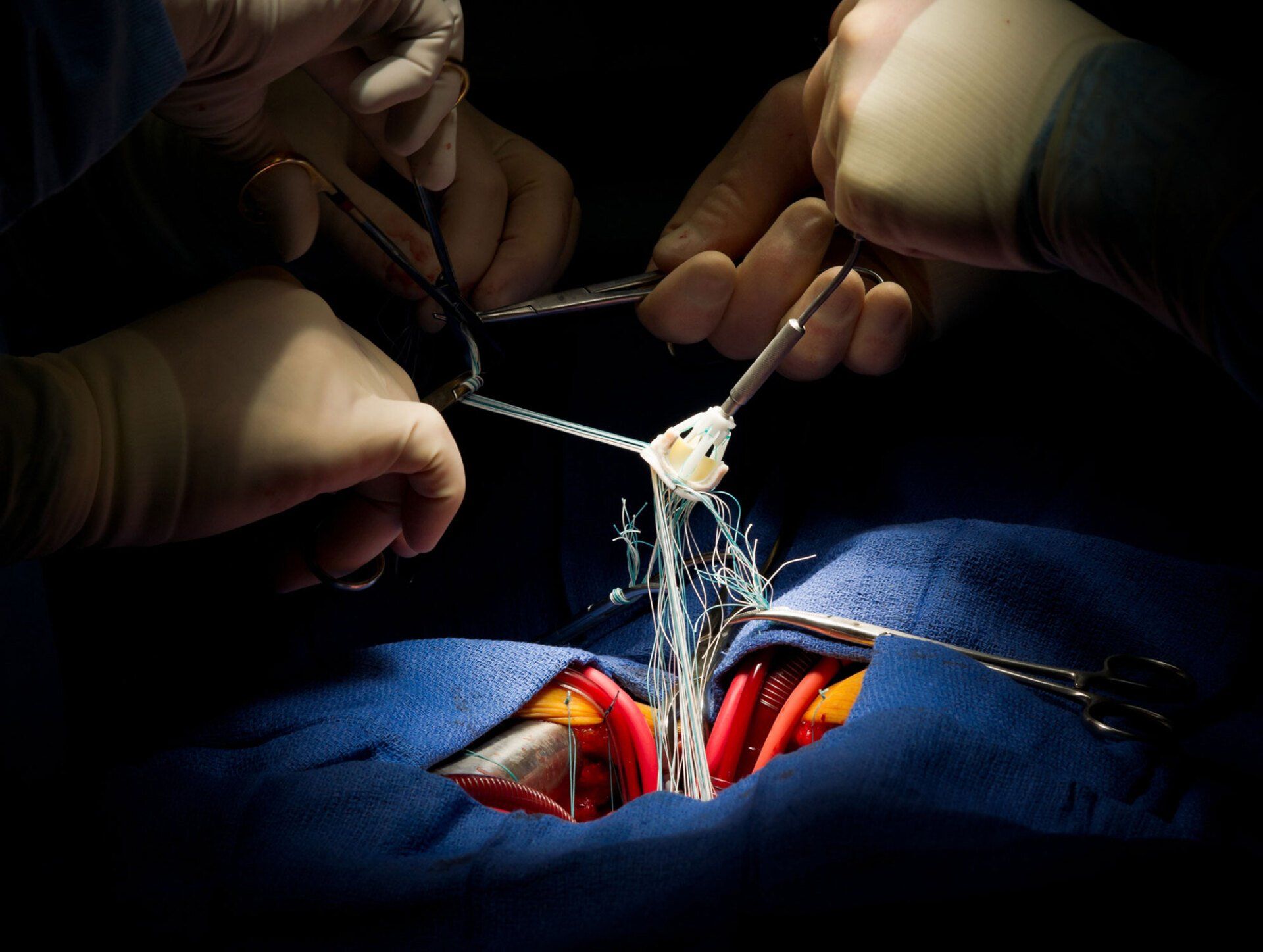
The aortic valve is a valve in the heart that controls the flow of blood from the left ventricle (the main pumping chamber of the heart) to the aorta (the main artery that carries blood to the body). The aortic root is the part of the aorta that is closest to the heart. Aortic valve and aortic root repair are medically necessary when there is damage to these structures. 

The most common cause of damage to the aortic valve and aortic root is a condition called aortic stenosis. Aortic stenosis occurs when the aortic valve becomes narrowed, making it difficult for blood to flow through. This can lead to chest pain, shortness of breath, and other symptoms. 

Aortic valve and aortic root repair can also be necessary due to other conditions, such as a tear in the aorta (known as an aortic dissection) or an infection of the aorta (known as an aortitis). In some cases, surgery may be able to repair the damage. In other cases, replacement of the damaged structure may be necessary.

Recovery time after surgery can vary depending on individual factors such as age and overall health, but most people stay in the hospital for 5-7 days. It usually takes 4-6 weeks to fully recover from surgery. A small percentage of people may experience complications such as infection, bleeding, or stroke. However, these complications are relatively rare, and most people who have this surgery experience excellent results.

We’re here to answer your questions and concerns.

CALL TODAY