Congenital Heart Disease

What is Congenital Heart Disease? 

Congenital heart disease is a type of heart defect that is present at birth. The most common type is a hole in the heart. This happens when the walls between the two upper chambers or the two lower chambers of the heart don't close properly. 

This defect allows oxygen-rich blood to flow into areas where it isn't needed, and as a result, the heart has to work harder to pump blood. In some cases, congenital heart disease can be mild and may not require treatment. However, in other cases, it can be life-threatening and may require surgery to repair the defect.

The type of surgery needed depends on the specifics of the child's condition. In some cases, a small device called a shunt is placed in the coronary arteries to help blood flow more evenly to the heart. In other cases, damaged valves may be repaired or replaced. 

Sometimes, part of the heart may need to be removed. The surgeon will work with the child's cardiologist to determine the best course of treatment, keeping parents informed every step of the way. 

Heart Ultrasound | Brisbane, QLD | Queensland Heart & Lung Surgery

When is Surgery for Congenital Heart Disease Necessary? 
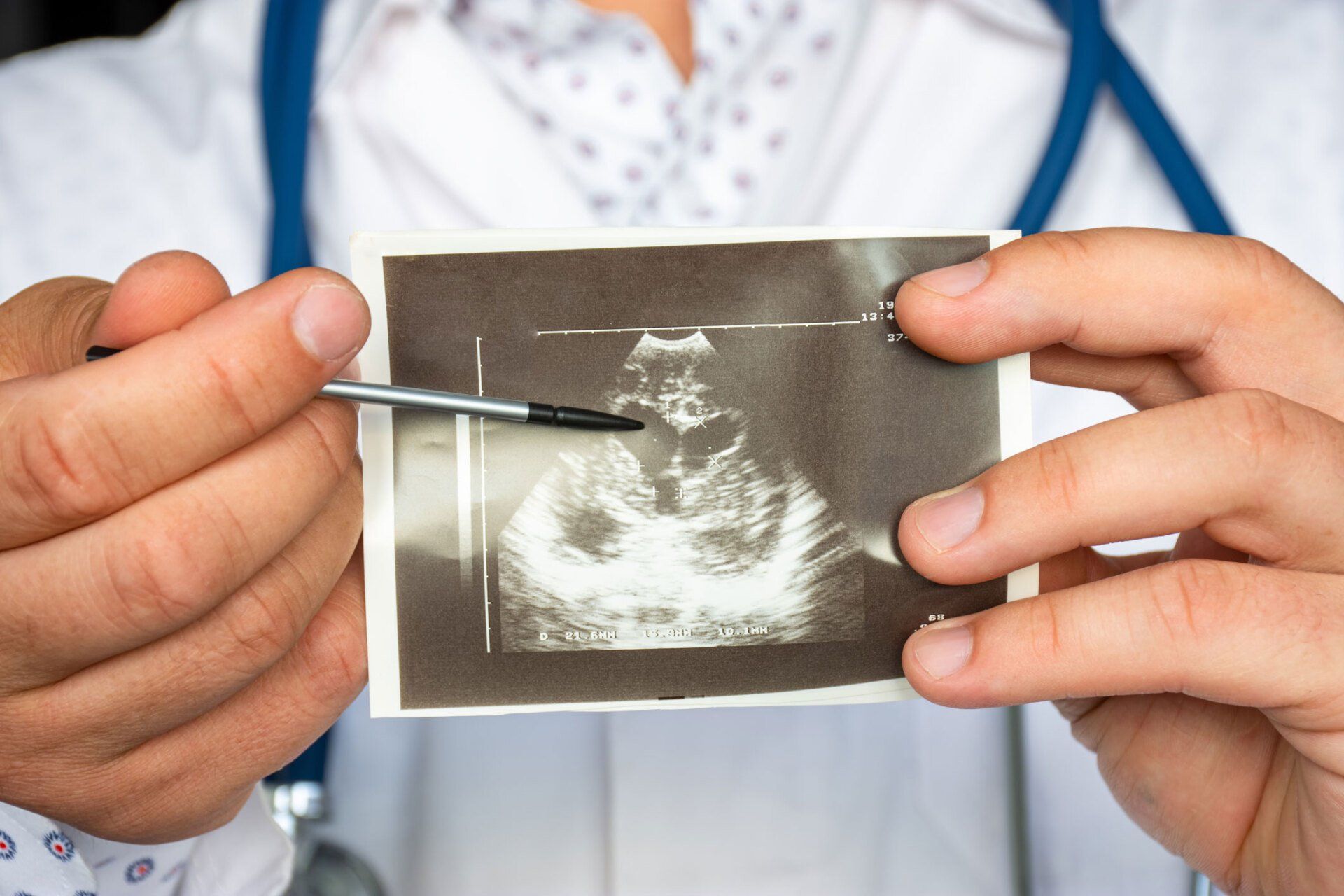
Congenital heart disease (CHD) is a problem with the heart that is present at birth. The main types of CHD are septal defects, pulmonary valve stenosis, and Aortic valve stenosis. Surgery is usually needed to repair or correct CHD. 

The goal of CHD surgery is to improve the function of the heart and blood vessels, and to relieve symptoms such as shortness of breath and fatigue. In some cases, CHD surgery may also be needed to prevent complication such as heart failure or stroke. If you or your child has been diagnosed with CHD, it is important to talk to your doctor about the best treatment options. Surgery for congenital heart disease is often very successful, and most children are able to live normal, healthy lives after treatment.

Recovering from surgery to correct congenital heart disease can be a long and difficult process. Depending on the severity of the condition, patients may need to stay in the hospital for several weeks or even months. During this time, they will need to slowly and carefully build up their strength, often with the help of rehabilitation therapies. 

After being discharged from the hospital, patients will usually need to take it easy for a while longer, slowly returning to their normal activities. In some cases, patients may need to have additional surgeries as they get older, but with advances in medical technology, more and more people are able to lead normal, healthy lives after surgery for congenital heart disease.

We’re here to answer your questions and concerns.

CALL TODAY