
Minimally Invasive Cardiac Surgery
When is Minimally Invasive Cardiac Surgery Necessary?
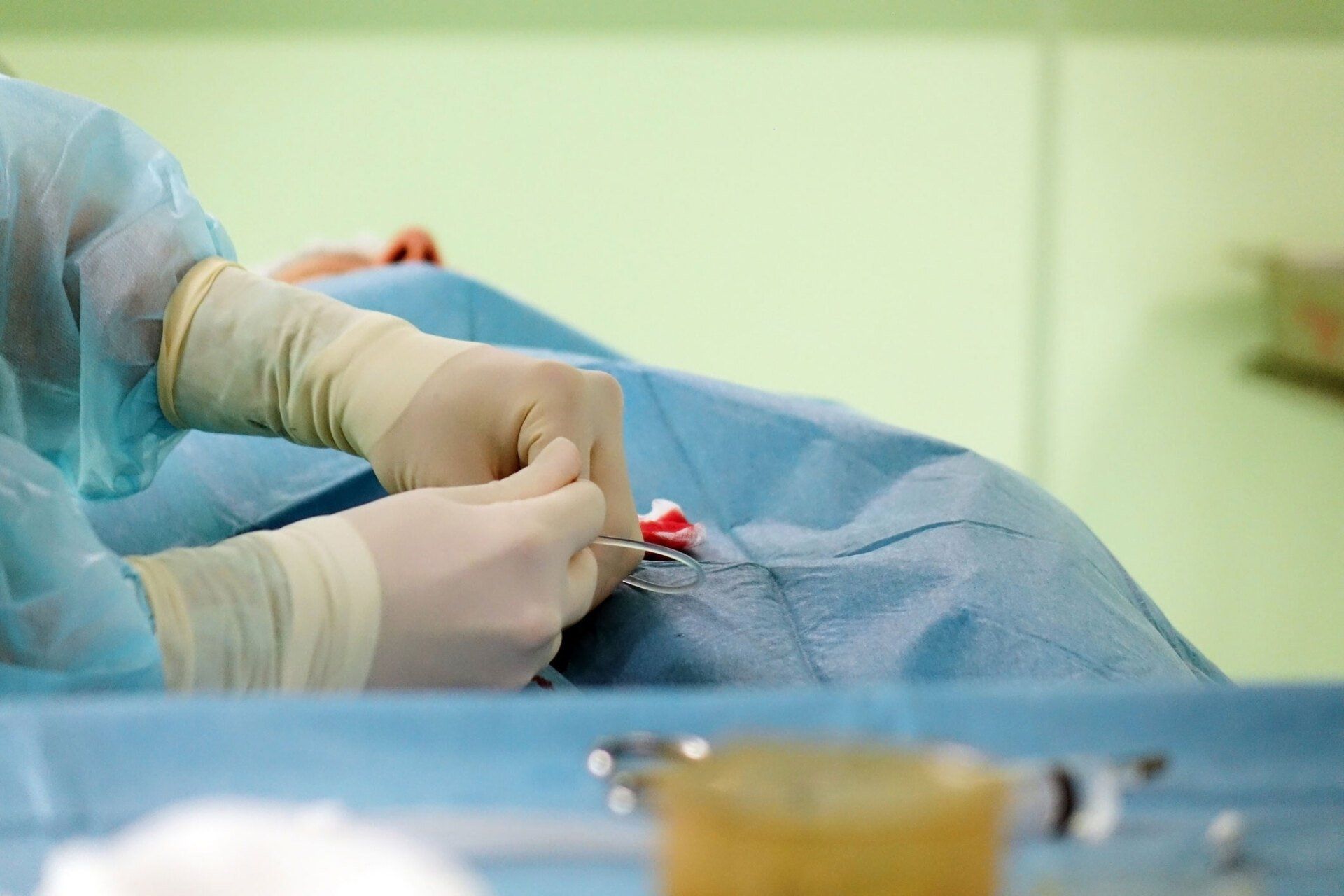
Minimally invasive cardiac surgery is a type of surgery that is used to treat heart problems. The surgeon makes small incisions in the chest and then uses special tools to repair damaged heart tissue, to remove blockages from your arteries, or to implant devices such as pacemakers or defibrillators. This type of surgery is less invasive than traditional open-heart surgery, and it has many benefits.
It is less painful, has a shorter recovery time, and can be performed on patients who are not healthy enough for traditional surgery. Minimally invasive cardiac surgery is medically necessary when the patient has a heart problem that cannot be treated with medication or lifestyle changes.
It is also necessary when the patient needs surgery but is not a good candidate for traditional surgery. This type of surgery may also be recommended if the patient's heart problem is severe and traditional surgery would be too risky. Minimally invasive cardiac surgery can be an effective treatment for many heart conditions, and it can help patients return to their normal lives more quickly.
Recovery from minimally invasive cardiac surgery usually involves a few days of rest followed by gradually increasing activity. Most people are able to return to their normal activities within a few weeks. It is important to follow your surgeon's instructions during recovery and to call your surgeon if you have any concerns. With proper care, most people make a full recovery from minimally invasive cardiac surgery and can enjoy a healthy and active lifestyle.
When is Open Heart Surgery Medically Necessary?
Open heart surgery is a type of surgery that is performed on the heart. It is usually done to repair or replace a defective heart valve, to repair a damaged heart, or to remove a blockage in the coronary arteries. In some cases, open heart surgery may be done to implant a pacemaker or an artificial heart.
Open heart surgery is a major operation, and it is usually only recommended when other treatments have failed. The risks of open heart surgery include infection, bleeding, and blood clots. However, the benefits of open heart surgery often outweigh the risks, and it can save the life of someone with a heart condition.
Following open heart surgery, patients typically spend a few days in the intensive care unit (ICU). Once they are stable, they are transferred to a regular hospital room. Most patients are able to go home within a week. During the first few weeks at home, it is important to avoid strenuous activity and get plenty of rest.
Gradually, patients can increase their activity level as they feel able. It is also important to follow any instructions from your doctor about diet and medication. Although it may take some time to recover fully, most people are eventually able to return to their normal activities and continue to live long, healthy lives.
We’re here to answer your questions and concerns.